
Ever feel like your brain has 47 tabs open and one of them is playing music you can’t find? Yeah… that’s usually my cue to do a little chakra meditation. Not because I’m trying to become a floating monk overnight (sadly), but because it helps me feel grounded, clear, and emotionally steady—like I finally grabbed the steering wheel of my own energy.
I stumbled into chakra work during a “why am I tired all the time?” phase, and honestly, I expected it to be all vibes and zero results. Plot twist: when I practiced consistently, I noticed my mood stabilized, my focus improved, and my body felt less “tight for no reason.” Coincidence? Maybe. Helpful? Absolutely.
So let’s talk about how chakra meditation for balance and healing actually works—and how you can start without making it weird or complicated. 🙂
What Chakra Meditation Actually Means (Without the Woo-Woo Overload)
Chakra meditation focuses your attention on seven energy centers in your body. These centers influence everything from your sense of safety to your confidence to your ability to communicate without suddenly forgetting every word you’ve ever learned.
Think of chakras like emotional + energetic “apps.” When one glitches, you feel it. When they run smoothly, you feel like yourself again. Ever snapped at someone over a small thing and later thought, “Wow, that wasn’t me”? That can signal an imbalance.
Chakra meditation helps you:
- Notice where you feel blocked
- Bring awareness and breath to that area
- Reset your mental and emotional state
- Support healing through relaxation and focus
And before anyone asks: no, you don’t need crystals, chanting, or a special meditation cave. You can literally do this on your bed in pajamas. That’s the real luxury.
7 Chakras and What Each One Controls
You don’t need to memorize a textbook, but you do need a basic map. Here’s the quick guide to the seven chakras and what they’re all about.
1. Root Chakra (Muladhara)
This chakra sits at the base of your spine and relates to security, stability, and survival. When it feels off, you might feel anxious, restless, or financially stressed, even when things look “fine.”
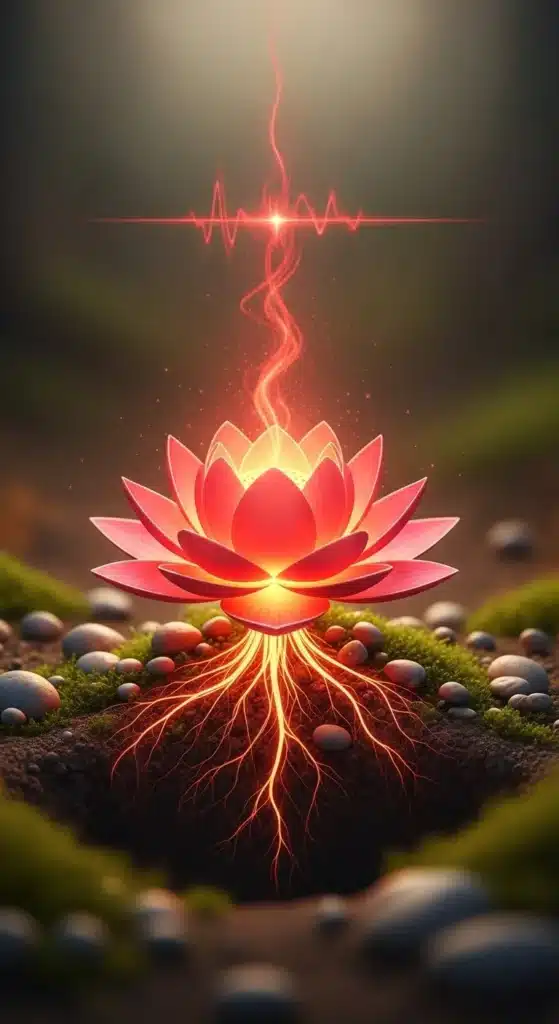
Balanced root chakra feels like: calm, steady, safe.
2. Sacral Chakra (Svadhisthana)
This one sits below your belly button and influences pleasure, creativity, relationships, and emotions. Ever felt emotionally numb or weirdly irritable? This chakra might need attention.

Balanced sacral chakra feels like: open, expressive, connected.
3. Solar Plexus Chakra (Manipura)
This chakra lives around your upper belly and connects to self-esteem, motivation, and willpower. When it dips, you second-guess everything, even your own opinions. Fun.
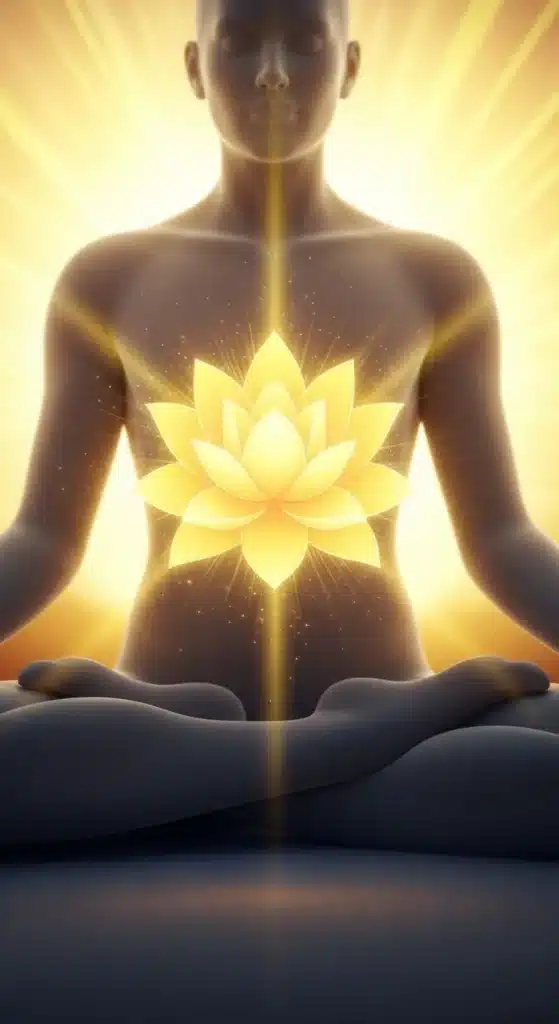
Balanced solar plexus feels like: confident, decisive, energized.
4. Heart Chakra (Anahata)
This chakra sits in the chest and relates to love, forgiveness, empathy, and connection. When it feels blocked, you might feel guarded, bitter, or emotionally shut down.
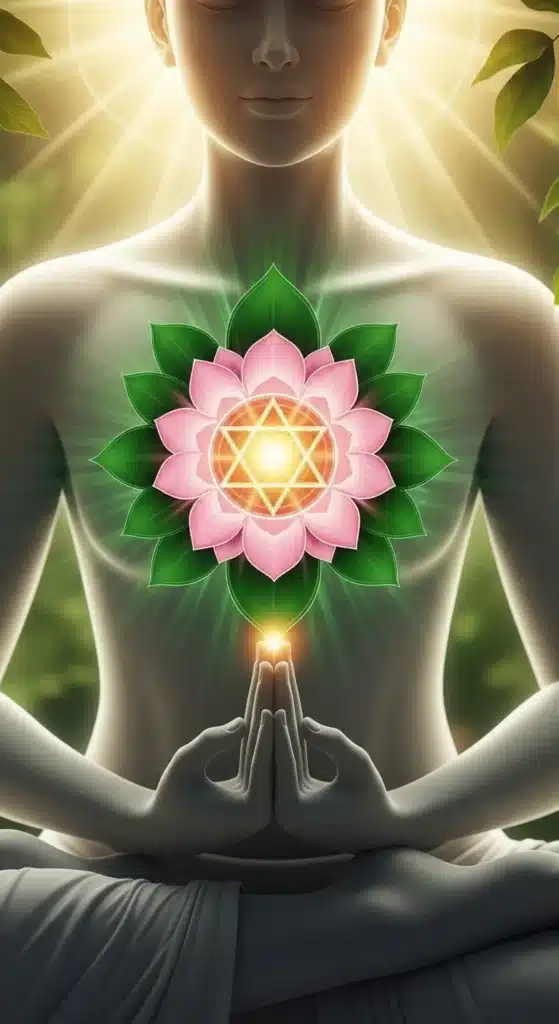
Balanced heart chakra feels like: warm, forgiving, open.
5. Throat Chakra (Vishuddha)
This chakra controls expression, honesty, and communication. When it’s off, you might overshare or totally freeze in conversations. Ever wondered why you can write your feelings but can’t say them out loud?
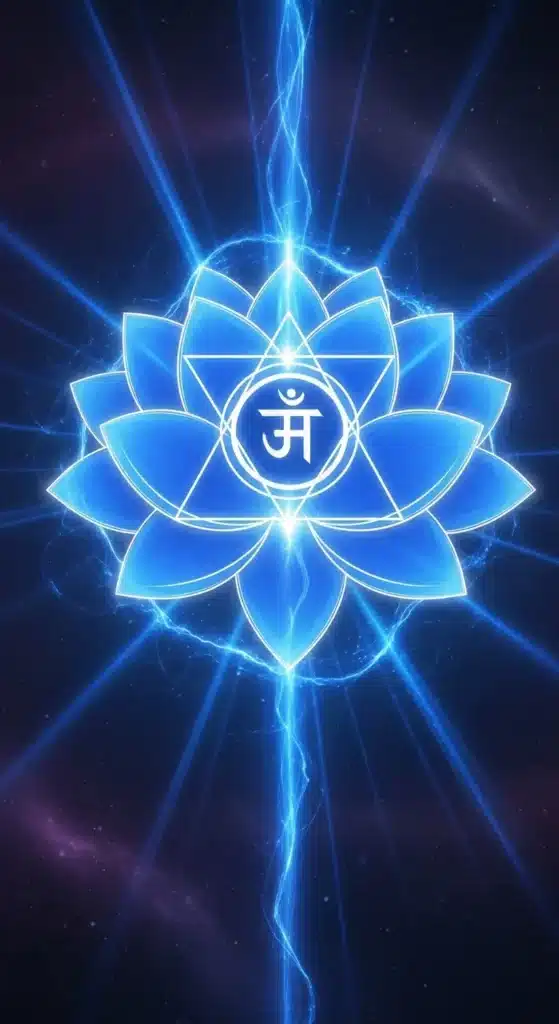
Balanced throat chakra feels like: clear, honest, confident expression.
6. Third Eye Chakra (Ajna)
Located between the eyebrows, this chakra connects to intuition, insight, and mental clarity. When it’s cloudy, you overthink, struggle to trust yourself, or feel mentally scattered.

Balanced third eye feels like: focused, intuitive, clear-headed.
7. Crown Chakra (Sahasrara)
This chakra sits at the top of the head and links to purpose, spirituality, and bigger-picture awareness. When it feels disconnected, life can feel flat or meaningless.
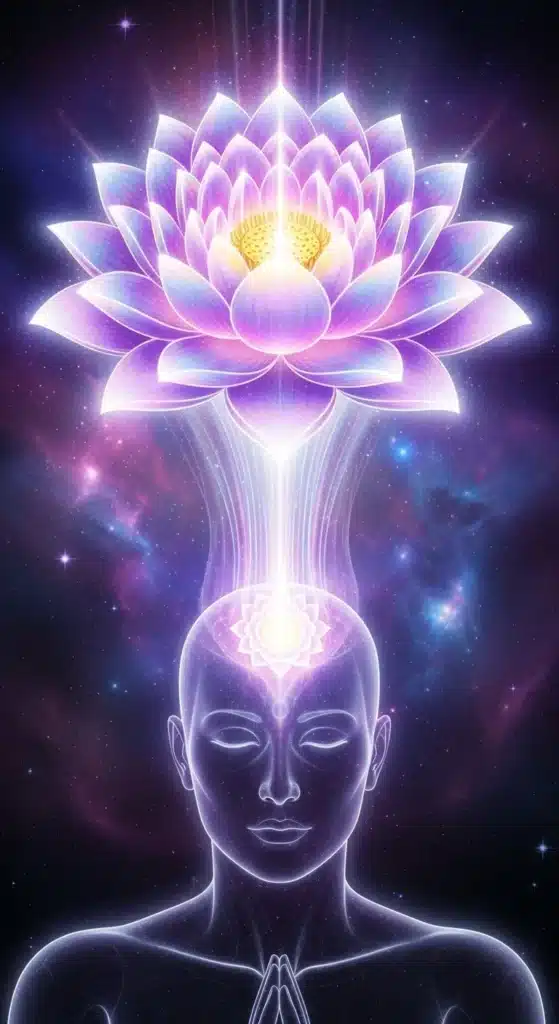
Balanced crown chakra feels like: peaceful, connected, inspired.
Signs Your Chakras Feel “Off”
No, your chakra won’t send you a calendar invite like, “Hi, I’m blocked.” It shows up in patterns. Ever noticed how stress always hits the same places? That’s useful data.
Here are common signs of chakra imbalance:
- Constant anxiety or fear (root)
- Emotional numbness or mood swings (sacral)
- Low confidence or procrastination (solar plexus)
- Difficulty trusting or forgiving (heart)
- Trouble speaking up (throat)
- Overthinking and mental fog (third eye)
- Feeling disconnected from purpose (crown)
Do you see yourself in any of these? Most of us do—because life loves testing us.
How to Do Chakra Meditation Step-by-Step
This is the part where people overcomplicate things. Please don’t. Chakra meditation works best when you keep it simple and consistent.
Step 1: Set the vibe (but don’t overdo it)
Pick a quiet spot. Sit or lie down. Set a timer for 7–15 minutes. You can add soft music if that helps, but don’t turn it into a production.
Step 2: Start with breath
Breathe slowly and deeply through your nose.
Try this rhythm:
- Inhale for 4
- Hold for 2
- Exhale for 6
This tells your nervous system, “Hey, we’re not being chased by lions right now.”
Step 3: Scan your chakras from bottom to top
Bring your attention to each chakra in order. Picture a gentle light or warmth in that area. Keep it relaxed.
Step 4: Use a simple focus phrase
You can repeat a short line mentally. Here are easy ones:
- Root: “I feel safe.”
- Sacral: “I feel open.”
- Solar plexus: “I trust myself.”
- Heart: “I give and receive love.”
- Throat: “I speak my truth.”
- Third eye: “I see clearly.”
- Crown: “I feel connected.”
Step 5: End gently
Take two deep breaths and open your eyes slowly. Don’t jump straight into your notifications like a caffeinated squirrel. Give yourself 30 seconds to land.
FYI: I feel the biggest difference when I do this 3–4 times a week, even if it’s short. Consistency beats intensity every time.
Chakra Meditation Techniques That Actually Help
You can practice chakra meditation in a few ways depending on your mood and attention span (which, same).
1. Guided Chakra Meditation
This works great if your mind loves to wander. You follow along with someone’s voice and stay on track.
Best for: beginners, stressed brains, bedtime.
2. Breath + Visualization
You breathe and imagine color or light in each chakra.
Best for: people who like quiet and focus.
3. Mantra Meditation (Optional)
Each chakra has traditional seed sounds (like “LAM” for root). You can use them, but you don’t have to. If chanting feels awkward, skip it. Chakra work doesn’t require you to perform.
Best for: people who enjoy sound and rhythm.
4. Journaling After Meditation
This sounds basic, but it hits hard. After you meditate, write:
- Which chakra felt heavy?
- What emotion came up?
- What do you need right now?
This turns “good vibes” into actual self-awareness. IMO, that’s the real magic.
A Simple 7-Day Chakra Meditation Plan (So You Don’t Overthink It)
You can align your energy centers without trying to “fix your whole life” in one sitting. Try this easy weekly plan.
- Day 1: Root — grounding, safety, stability
- Day 2: Sacral — emotions, creativity, pleasure
- Day 3: Solar Plexus — confidence, courage, willpower
- Day 4: Heart — compassion, connection, forgiveness
- Day 5: Throat — expression, truth, boundaries
- Day 6: Third Eye — intuition, insight, clarity
- Day 7: Crown — purpose, spirituality, peace
Keep it short: 10 minutes a day works. You’ll feel shifts faster than you expect—especially if you treat it like hygiene, not a rare spiritual event.
Common Chakra Meditation Mistakes (Yep, I’ve Done Them)
Let’s save you some frustration.
Trying to “force” a feeling
You don’t need fireworks. Some days feel calm, some days feel boring. Meditation still works. Trust the process.
Skipping the root chakra
People love jumping to the “third eye awakening” stuff. Meanwhile, their nervous system screams for safety. Start at the base. Always.
Treating it like a one-time fix
Chakra meditation works like fitness. You don’t do one squat and earn eternal leg strength. You practice.
Judging yourself for getting distracted
Your brain distracts you because that’s its job. Bring it back gently. No drama.
Chakra Meditation for Balance & Healing in Real Life
Here’s what I love about chakra meditation: you can actually pair it with normal life habits.
Try combining chakra focus with:
- Walks in nature (root + heart)
- Creative hobbies like drawing or dancing (sacral)
- Speaking one honest sentence you’ve been avoiding (throat)
- Turning off noise for 10 minutes (third eye)
- Gratitude practice (heart + crown)
You don’t need to become a different person. You just need to come back to yourself.
Ever noticed how “healing” usually feels like remembering who you were before burnout and stress hijacked everything? That’s the vibe.
FAQs
Q1. How often should I do chakra meditation?
Aim for 3–5 times a week if you want consistent results. Even 10 minutes per session helps. You’ll build better balance when you practice regularly.
Q2. Can chakra meditation help with anxiety and stress?
Yes, chakra meditation can support stress relief because it encourages deep breathing and nervous system calming. It also helps you spot emotional patterns that trigger anxiety.
Q3. What if I don’t feel anything during chakra meditation?
That happens a lot, especially early on. Keep practicing and focus on breath and attention, not big sensations. Subtle changes often show up later in your mood and reactions.
Q4. Do I need crystals or incense for chakra healing?
Nope. You can use them if you enjoy them, but chakra meditation works with focus, breath, and intention alone. Your attention does the heavy lifting.
Q5. Which chakra should I start with as a beginner?
Start with the root chakra because it supports grounding and stability. A strong foundation makes the rest of your chakra alignment easier and more effective.
Q6. Can I do chakra meditation before sleep?
Absolutely. Chakra meditation before bed can quiet your mind and relax your body. Many people love it for winding down and improving sleep quality.
Read More Articles:
Final Words
Chakra meditation helps you align your energy centers, build emotional balance, and support healing through breath, awareness, and intention. You can start small, stay consistent, and notice real shifts without turning your routine into a spiritual boot camp.
If you only take one thing from this guide, take this: your body already gives you signals. Chakra meditation simply teaches you how to listen—and respond with care instead of chaos.
So… want to try a 10-minute chakra meditation tonight and see how you feel afterward? Worst case, you relax. Best case, you feel like a calmer, clearer version of you. That’s a pretty solid deal. :/